SW1V upholstery cleaning guide for Pimlico terraced homes
If you live in a Pimlico terrace, you already know the charm comes with a few quirks: narrow staircases, compact rooms, older timber floors, and furniture that seems to collect every bit of daily life. That is exactly why this SW1V upholstery cleaning guide for Pimlico terraced homes matters. Sofas, armchairs, dining chairs, ottomans, and even window seats can pick up dust, traffic marks, pet hair, spills, and odours faster than you expect in a home where every room works hard.
The good news? With the right approach, upholstery can look fresher, feel cleaner, and last longer without becoming a weekend ordeal. In this guide, we will walk through what upholstery cleaning actually involves, how to tackle common fabric types, what to avoid in a terraced property, and when it makes sense to bring in professional help. Truth be told, a small mistake with a fabric cleaner can turn a tidy sofa into a patchy one rather quickly.
Whether you are maintaining a family home, preparing for guests, or just tired of seeing dull cushions every time you put the kettle on, this is a practical, local-first guide for making the right call.
Table of Contents
- Why upholstery cleaning matters in Pimlico terraced homes
- How upholstery cleaning works
- Key benefits and practical advantages
- Who this is for and when it makes sense
- Step-by-step guidance
- Expert tips for better results
- Common mistakes to avoid
- Tools, resources and recommendations
- Law, compliance, standards, or best practice
- Options, methods, or comparison table
- Case study or real-world example
- Practical checklist
- Conclusion
- Frequently asked questions
Why SW1V upholstery cleaning guide for Pimlico terraced homes Matters
Pimlico terraces have a specific rhythm to them. Rooms are often multi-purpose, furniture sits close together, and there is usually a lot of natural footfall moving from hallway to lounge to dining space. That creates an environment where upholstery takes on more wear than people notice at first glance. Dust settles in seams. Oils from hands and hair build up on armrests. Food and drink splashes happen because, let's face it, sofas are where life happens.
In SW1V, there is also the practical side of property maintenance. Older homes may have tighter access, fragile finishes, or mixed materials that need a careful touch. You do not want to blast a delicate fabric with the wrong product and end up with water marks, dye bleed, or a flattening of the pile. If the piece is valuable, sentimental, or awkward to move, the stakes feel higher. Even a well-used sofa can become the centre of the room, so keeping it clean has a direct effect on how the whole home feels.
There is also a hygiene angle. Upholstery can trap allergens, pet dander, crumbs, and everyday grime. Regular cleaning supports a fresher indoor environment, especially in homes where windows may not always stay open for long, or where a compact layout means smells linger. One rainy London evening and the room can feel stale fast. A properly cleaned sofa makes the whole place feel more breathable. Small thing, big difference.
Expert summary: In Pimlico terraced homes, upholstery cleaning is not just about appearance. It is about protecting fabric, improving comfort, reducing built-up dirt, and keeping a busy home feeling calm rather than cluttered.
If your furniture has expensive fabric, antique detailing, or stubborn marks, the safest route is usually a careful inspection before any cleaning begins. For broader home upkeep around fabric, carpets, and soft furnishings, some homeowners also coordinate with related services such as upholstery cleaning and sofa cleaning so the whole room feels consistent rather than half-done.
How SW1V upholstery cleaning guide for Pimlico terraced homes Works
Upholstery cleaning is not one single method. It is a process of identifying the fabric, checking the manufacturer's care code if available, removing dry soil, treating spots safely, and then cleaning with the least aggressive method that still gets the result you need. That is the sensible way to think about it. Not every sofa wants the same treatment, and a one-size-fits-all approach is usually where trouble starts.
Most cleaning starts with inspection. A cleaner or homeowner should check for labels, note colourfastness, test a hidden area, and look for weak seams, loose piping, or worn patches. If the item has no care label, proceed cautiously. Some fabrics can tolerate water-based cleaning; others need solvent-based methods or very light surface care only. Velvet, silk blends, and some older natural fibres are the ones that make people pause for good reason.
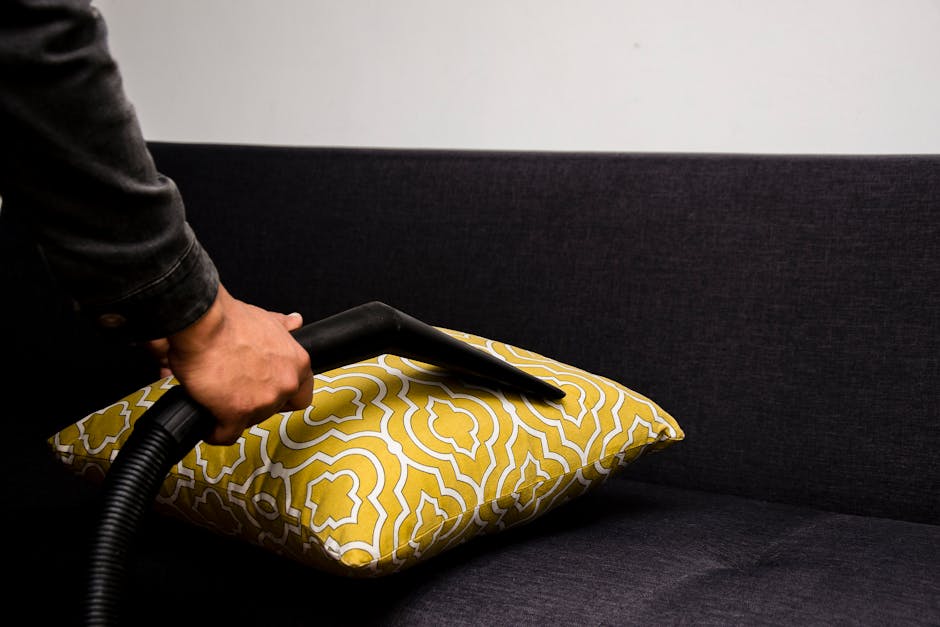
After inspection comes dry soil removal. This step matters more than it sounds. If dust and grit stay in the fibres, they can turn into mud once moisture is introduced. A careful vacuum with an upholstery tool, crevice attachment, and gentle brush can lift a surprising amount. That means the wet cleaning step has a better chance of working evenly.
Then comes stain treatment, spot cleaning, or full cleaning depending on the condition of the item. A professional may use hot water extraction on suitable fabrics, low-moisture cleaning on more sensitive items, or specialised products for grease, tannins, and organic marks. The key is control. Too much moisture in a terraced home can create slow drying, and slow drying is where smells and browning can appear. Nobody wants that damp-sofa smell hanging about till Thursday.
Finally, drying and grooming finish the job. Cushions may need to be turned, fibres lifted, and windows opened where safe to help air movement. In compact Pimlico rooms, you want to keep airflow sensible and avoid pushing furniture back too soon. Patience here is worth it.
For homes that need a broader refresh at the same time, many residents pair fabric cleaning with carpet cleaning or a deeper reset using deep cleaning, especially after renovation dust or a long winter indoors.
Key Benefits and Practical Advantages
Clean upholstery does more than look nice. It changes how the room works. In a terrace home where space is at a premium, every visible surface matters. A fresh sofa and chairs can make a room feel larger, lighter, and more cared for. That is not just cosmetic. It affects how you use the space and how you feel in it.
- Better appearance: Grime dulls colours and makes fabric look tired. Cleaning often restores brightness and texture.
- Longer fabric life: Dirt particles can abrade fibres over time. Removing them helps reduce wear.
- Odour reduction: Soft furnishings hold smells from pets, cooking, smoke, and everyday life.
- Improved comfort: Clean upholstery feels better to sit on and can look less flattened.
- Healthier indoor feel: Removing dust and allergens can make the room feel fresher, especially in enclosed spaces.
- Better resale or letting presentation: If you are moving, staging, or simply trying to keep the home looking sharp, upholstery makes a strong first impression.
There is a practical financial upside too. Replacing a sofa is expensive, and not every chair is easy to source again. Routine cleaning can delay replacement and preserve the look of furniture you already like. In a terraced home, where furniture often has to fit awkward corners or narrow access routes, keeping what you have in good condition makes a lot of sense.
One subtle benefit people often miss: cleaner upholstery can reduce the sense of visual clutter. A sofa with clean arms, fresh cushions, and even colour tone makes the room feel calmer. Small win, but you will notice it every day.
Who This Is For and When It Makes Sense
This guide is for homeowners, tenants, landlords, and property managers in SW1V who want soft furnishings to stay presentable without guesswork. It is especially useful if you live in a Victorian or Edwardian terrace, where room sizes, stair access, and fabric choices can be a little less forgiving than in a newer build.
You may need upholstery cleaning if you are dealing with:
- visible dirt on arms, seats, or headrests
- food or drink spill marks
- pet hair and pet odours
- allergy concerns or a dusty room feel
- furniture after building work or redecorating
- end-of-tenancy presentation
- sofas and chairs that look dull even after vacuuming
- smells from cooking or tobacco lingering in fabric
It also makes sense if your furniture is not obviously dirty but just feels tired. That "not quite bad enough to ignore, not quite clean enough to enjoy" stage is where a lot of people wait too long. To be fair, that is normal. Upholstery does not shout for attention. It just gradually loses its spark.
For rented homes, this can be especially relevant near the end of a tenancy. A careful clean can help bring the property up to a better standard before inspection, and if you are coordinating multiple tasks, an end of tenancy cleaning service may be worth considering alongside fabric care.
Step-by-Step Guidance
Here is the straightforward approach we recommend for most Pimlico terraced homes. It is careful, realistic, and designed to avoid the common mistakes that cost people time.
- Identify the fabric. Check the care label if there is one. W stands for water-based cleaning, S for solvent-based, WS for either, and X for vacuum only in many cases. If there is no label, treat the item cautiously.
- Vacuum thoroughly. Use the upholstery tool and a crevice attachment. Get into seams, under cushions, and around buttons. This removes loose debris before any moisture is used.
- Test a hidden spot. Apply a small amount of the chosen cleaner to an unseen area and check for colour transfer, watermarking, or texture change after it dries.
- Treat spots individually. Dab, do not rub. Work from the outside of the stain inward. A white cloth is useful so you can see what is being lifted.
- Use the minimum moisture needed. Over-wetting is a classic mistake in terraced homes because drying can be slow. Aim for control rather than saturation.
- Clean the entire panel or cushion face evenly. This helps avoid tide marks and patchiness. Spot-only cleaning can sometimes leave the treated area looking cleaner than the surrounding fabric.
- Extract or blot properly. If using a machine, remove as much liquid as possible. If cleaning by hand, use clean towels and keep pressure even.
- Dry with airflow. Open windows if weather and security allow, keep the room ventilated, and avoid sitting on the furniture too soon. A fan can help if used sensibly.
- Finish by grooming the fibres. Brush pile fabrics gently in one direction where appropriate. This can restore a smoother finish and reduce shading.
If the item is heavily soiled, antique, or made from a delicate weave, stop before improvising. That is the moment to slow down, not speed up. Better a half-clean sofa than a damaged one.
A simple rule helps here: if the stain is spreading, the fabric is changing tone, or the drying feels endless, pause and reassess. That pause can save the whole piece.
Expert Tips for Better Results
There are a few small habits that make a noticeable difference. They are not glamorous, but they matter. In our experience, the best upholstery results come from preparation, restraint, and understanding the fabric's limits.
Start dry and stay dry as long as possible. Removing loose dust before cleaning gives every other step a better chance. It is a boring step, admittedly, but one of the most important.
Work in daylight if you can. Natural light helps you spot residue, patchiness, and missed marks. A lamp at night is fine, but daylight makes life easier. Around mid-morning is often ideal.
Use white cloths and clean towels only. Coloured cloths can transfer dye. It sounds obvious. Still, people forget when in a hurry.
Keep products simple. Stronger is not always better. A mild, fabric-appropriate cleaner is usually safer than a product that promises miracles in six seconds flat. Miracles are suspicious in cleaning, frankly.
Mind the edges and seams. Water and product can build up there, causing rings or residue. Gently feather out the clean area so it blends.
Protect the surrounding room. Move nearby cushions, throws, and small rugs before you start. On a compact terrace ground floor, one misted spray can land on more than you intended.
Plan for drying space. If cushions can be removed, let them dry separately. If not, rotate them to avoid trapping moisture underneath.
Use routine maintenance, not rescue-only cleaning. Light weekly vacuuming and the occasional spot treatment prevent the deep grime from building up in the first place.
If you are cleaning the whole home at once, fabric care often works best alongside house cleaning or domestic cleaning, simply because dust and everyday dirt tend to travel room to room in terraced layouts.
Common Mistakes to Avoid
A lot of upholstery damage comes from good intentions. That is the frustrating part. People want the sofa clean quickly, but a little impatience can cause a lot of grief. Here are the mistakes we see most often.
- Using too much water: This can lead to slow drying, damp smells, watermarking, and fabric distortion.
- Skipping a test patch: Even a harmless-looking cleaner can alter colour or texture.
- Rubbing stains aggressively: Rubbing pushes the mark deeper and can rough up the fibres.
- Ignoring care codes: The label is there for a reason, even if it is faded or awkward to read.
- Mixing products: Some combinations leave residue or react badly. Keep it simple and controlled.
- Cleaning only the stain: Spot-only work can leave a visible halo or make the area look patchy.
- Putting cushions back too soon: Moisture trapped inside cushions is an open invitation to odour and mildew.
- Assuming all fabrics are the same: A cotton blend, velvet, and synthetic weave behave very differently.
One more thing: do not overcorrect after a small spill. A quick blot and measured clean usually beats a full soak every time. Let the sofa breathe a bit. It can take a surprising amount of effort to undo the damage from ten seconds of panic.
Tools, Resources and Recommendations
You do not need a truck full of equipment to maintain upholstery properly. Most homes can handle regular upkeep with a modest kit. The trick is using the right tool for the job.
| Tool or product | Best use | Why it helps |
|---|---|---|
| Upholstery vacuum attachment | Routine dust and crumb removal | Reaches seams, piping, and cushion edges without harsh contact |
| Soft brush | Lifting loose debris and grooming pile | Helps loosen dirt before vacuuming and refreshes texture |
| White microfibre cloths | Spot blotting and product testing | Lets you see transfer and reduces the risk of dye bleed |
| Fabric-safe cleaner | Targeted stain treatment | Minimises risk compared with general-purpose products |
| Portable extraction machine | Deep cleaning suitable fabrics | Helps remove dirt and moisture more effectively than hand cleaning |
| Fans or good natural ventilation | Drying support | Reduces drying time and helps avoid lingering dampness |
For broader home care, a few related services can be relevant depending on what else needs attention in the property. For example, if your soft furnishings and rugs both need attention, rug cleaning can complement upholstery care nicely. If the upholstery is part of a room that also needs a general reset, one off cleaning may be the right broader option.
Property owners sometimes ask whether they should buy a machine or hire a service. If you only need occasional care, buying specialist kit can be expensive and a bit of a faff to store. Hiring may make more sense for larger items, delicate fabrics, or homes with several pieces to clean in one visit.
Law, Compliance, Standards, or Best Practice
For upholstery cleaning in a private home, there is usually no special legal process to worry about. That said, good practice still matters, especially if you are hiring someone into your property or handling items that belong to a tenant, landlord, or customer. In the UK, a professional cleaner should work safely, use suitable products, and take reasonable care with furnishings and flooring. That includes protecting nearby surfaces, checking access, and not leaving wet items in a risky condition.
If you are choosing a provider, ask sensible questions about insurance, safety procedures, product suitability, and what happens if a fabric reacts badly. You do not need a lecture. You just need clear answers. A trustworthy company should be able to explain how they approach delicate materials, drying, and stain treatment in plain English.
For landlords and managing agents, upholstery cleaning may form part of the wider expectation to keep a property in a fair, clean, and presentable condition between tenancies. Exact responsibilities depend on the agreement and situation, so it is wise to check the tenancy paperwork rather than guess. The same goes for any item with sentimental or high replacement value. When in doubt, document the item before work begins.
If health and safety or product handling is a concern, it can also be useful to review the provider's published policies, such as health and safety policy, insurance and safety, and terms and conditions. Those pages can help you understand how the service is structured before anyone steps through the door.
Options, Methods, or Comparison Table
Different upholstery cleaning approaches suit different fabrics and situations. Here is a simple comparison to help you decide what makes sense for a Pimlico terraced home.
| Method | Best for | Advantages | Watch-outs |
|---|---|---|---|
| Vacuuming and light maintenance | Weekly upkeep and dust control | Fast, cheap, safe for most fabrics | Will not remove deep stains or odours |
| Hand spot cleaning | Small fresh spills | Targeted and low cost | Easy to over-wet or leave rings if rushed |
| Low-moisture professional cleaning | Delicate or mixed fabrics | Less water exposure, often quicker drying | May not be enough for heavy soil |
| Hot water extraction | Suitable synthetic fabrics with deeper dirt | Strong soil removal and refreshed feel | Not appropriate for every fabric, drying needs attention |
| Specialist fabric treatment | Velvet, silk blends, antique pieces, problem stains | Tailored to the item | Usually requires experienced handling and careful assessment |
So which one should you pick? The answer depends on fabric, condition, and time. For a lightly used accent chair, basic maintenance may be enough. For a family sofa with old spills and food traces, a more thorough method is often worth it. For a fragile heirloom piece, cautious specialist treatment is the sensible choice. No drama, just judgement.
Case Study or Real-World Example
Here is a realistic example from a typical SW1V terrace situation. A ground-floor living room had a three-seat sofa, two armchairs, and a dining chair set that all picked up a mix of dust, tea marks, and everyday hand soil over winter. The room looked clean overall, but the fabric had lost its crispness. The sofa arms were slightly darkened, and one chair had a faint spill ring that caught the light every morning.
The first step was simple: clear the room edge, vacuum thoroughly, and check each item's fabric type. The sofa cushions came off easily, which helped. A small test patch showed the material could tolerate controlled moisture, but not heavy soaking. So the cleaning focused on even, low-moisture application, careful agitation in the affected areas, and thorough extraction. The chair with the spill ring needed a second light pass to blend the area properly.
After drying with windows open and a little airflow, the difference was easy to see. The room felt brighter, the sofa looked less tired, and the marks that had become part of the background finally disappeared. Nothing magical. Just a careful process done properly. The homeowner later mentioned that the whole room felt "more finished", which is exactly what good upholstery care should do.
What helped most was not any single product. It was the patience to treat each piece according to the fabric rather than assuming they all needed the same approach. That is the real lesson. Terraced homes often combine varied furniture styles, so matching the method to the item pays off every time.
Practical Checklist
Use this before you start:
- Check the fabric care label if one is present
- Vacuum all surfaces, seams, and cushion gaps
- Test any cleaner on a hidden area
- Protect nearby flooring and soft furnishings
- Use clean white cloths or towels
- Apply the minimum amount of moisture needed
- Treat stains gently, without rubbing hard
- Allow enough drying time before use
- Rotate cushions if appropriate
- Stop if the fabric changes colour, texture, or smell
- Consider professional help for delicate, antique, or heavily soiled pieces
If you keep this short checklist in mind, you will avoid most of the avoidable mistakes. Simple, but effective.
Conclusion
Upholstery cleaning in SW1V terraced homes is really about care: care for the fabric, care for the room, and care for the way your home feels day to day. The right approach keeps sofas and chairs looking good for longer, helps avoid preventable damage, and makes compact London living feel a little more comfortable and a lot less dusty.
Start with the fabric type, clean gently, and give the item enough time to dry properly. If a piece is delicate or the marks are stubborn, do not force it. A careful decision is usually the best one. And if you want the rest of the home to match the standard of your upholstery, it can make sense to look at related options such as home cleaners or cleaning company support for a more joined-up result.
Get a free quote today and see how much you can save.
In a terrace home, the little details add up. A cleaner sofa, a fresher chair, a room that feels easier to live in. That is a good thing, honestly.
Frequently Asked Questions
How often should upholstery be cleaned in a Pimlico terraced home?
For most homes, regular vacuuming is the baseline, with deeper cleaning every so often depending on use, pets, children, and fabric type. If the sofa sees daily family traffic, you may need professional cleaning sooner than a guest-room chair would.
Can I clean all upholstery fabrics the same way?
No. That is one of the quickest ways to cause damage. Cotton blends, synthetics, velvet, wool mixes, and delicate fibres all behave differently. Always check the care label first and test a hidden area before using any cleaner.
What is the safest way to clean a sofa at home?
Start with a thorough vacuum, then use the mildest fabric-safe method that suits the care code. Blot spills rather than rubbing them. Use as little moisture as possible and allow proper drying time.
Will upholstery cleaning remove old stains?
Sometimes, yes, but not always completely. Older stains can set into the fibres, especially if they were treated with the wrong product before. The sooner a spill is dealt with, the better the result tends to be.
How long does upholstery take to dry?
Drying time depends on the fabric, amount of moisture used, room temperature, and ventilation. In a compact terrace home, airflow matters a lot. A lightly cleaned item may dry fairly quickly, while deeper cleaning can take longer.
Is professional upholstery cleaning worth it?
If the fabric is valuable, the stains are stubborn, or you want a more even finish with less risk, professional cleaning is usually worthwhile. It is especially helpful when furniture is awkward to move or you do not want to experiment with specialist materials.
Can upholstery cleaning help with odours?
Yes, it often can. Fabric can hold cooking smells, pet odours, and general stale air. Cleaning removes the build-up that causes those smells, although severe odours may need more targeted treatment.
What should I do before a cleaner arrives?
Clear loose items from the room, make space around the furniture, note any known stains, and mention delicate fabrics or previous treatments. That helps the cleaning go more smoothly and avoids surprises halfway through.
Are steam cleaning and hot water extraction the same thing?
People often use the terms loosely, but they are not always identical in practice. What matters most is whether the method suits the fabric and whether the moisture can be controlled and extracted properly.
Can upholstery cleaning help before selling or letting a property?
Definitely. Fresh upholstery improves presentation and can make a room feel better cared for. In a terrace home where rooms may be compact, that visual lift can be especially noticeable.
What if my sofa has no care label?
Treat it cautiously. Test a small hidden patch, avoid saturating the fabric, and if the material seems delicate or uncertain, it is safer to seek specialist advice before applying any strong cleaner.
Should I clean upholstery before or after other home cleaning tasks?
Often, it works best after general dusting and before final room dressing. If you are doing a bigger reset, pairing upholstery work with related services such as carpet or domestic cleaning can make the result more complete.