Tate Britain Event Spill Cleanup: Quick Carpet Care That Saves Time, Stress and the Carpet
If you're dealing with a spill after an event at Tate Britain, the first few minutes matter more than most people realise. Wine, coffee, juice, canape crumbs, muddy heels, and the odd mystery splash can all sink into carpet fibres quickly. In a busy venue environment, a small mark can become a stubborn stain before the room has even cleared. That's why Tate Britain event spill cleanup: quick carpet care is really about fast judgement, the right tools, and avoiding the usual panic moves.
This guide walks you through what to do, what not to do, and when to bring in professional help. It's written for event organisers, venue staff, caterers, facilities teams, and anyone who has had that slightly sinking feeling after noticing a spill spreading under the table. Truth be told, carpet care after a lively event is rarely glamorous. But done well, it protects the room, the timetable, and everyone's sanity.
Along the way, you'll find practical steps, a comparison table, a realistic example, and a checklist you can use on the spot. If you want broader support for recurring cleaning needs, you may also find the service pages for carpet cleaning in Pimlico, deep cleaning support, and one-off cleaning in Pimlico useful. For planning and costs, the pricing and quotes page is worth a look too.
Table of Contents
- Why Tate Britain event spill cleanup: quick carpet care Matters
- How Tate Britain event spill cleanup: quick carpet care Works
- Key Benefits and Practical Advantages
- Who This Is For and When It Makes Sense
- Step-by-Step Guidance
- Expert Tips for Better Results
- Common Mistakes to Avoid
- Tools, Resources and Recommendations
- Law, Compliance, Standards, or Best Practice
- Options, Methods, or Comparison Table
- Case Study or Real-World Example
- Practical Checklist
- Conclusion
- Frequently Asked Questions
Why Tate Britain event spill cleanup: quick carpet care Matters
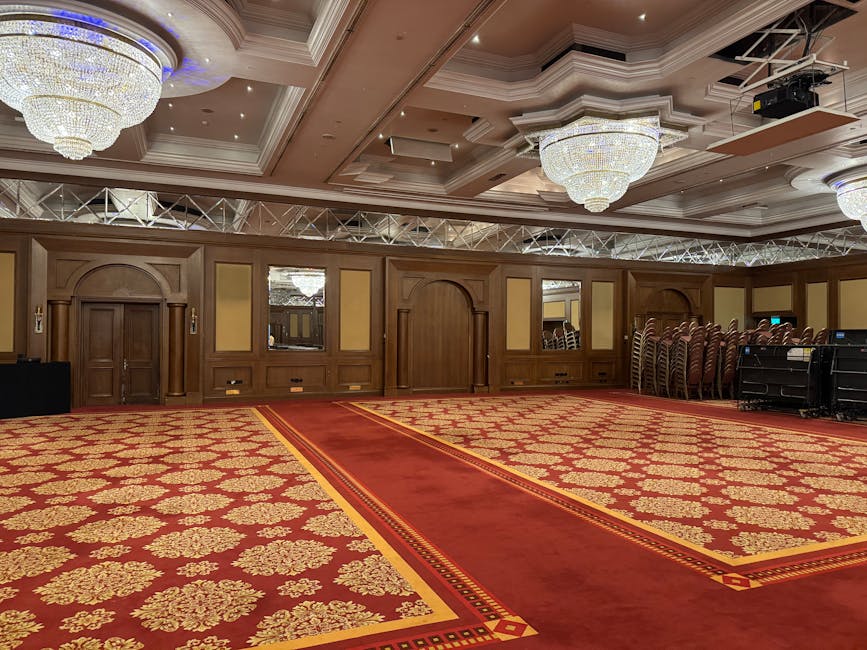
Tate Britain has the kind of event spaces where presentation matters. Carpets do a lot of quiet heavy lifting in those rooms: they soften acoustics, make a venue feel polished, and help the whole event look considered rather than chaotic. So when a spill happens, it is not just a cosmetic issue. It can affect the atmosphere of the space, create odours, leave visible marks, and, if neglected, damage fibres or backing.
Quick carpet care matters because most stains are easiest to treat before they dry. That sounds obvious, but in event settings obvious things get missed all the time. A small splash is ignored while someone answers a phone call. A damp patch gets walked over. Someone assumes housekeeping will "sort it later." Then later arrives, and the mark has already started to set. We've all seen it happen. Not ideal.
There's also a reputational side. If you're running an event at a cultural venue, the room's condition affects how guests experience the evening and how smoothly the team can reset the space afterwards. A fast, calm response protects the venue and helps avoid unnecessary replacement or heavier restoration work.
If you need a deeper service beyond spot treatment, a broader services overview can help you see how spill response sits within ongoing upkeep. For scheduled refreshes after events, office cleaning support and house cleaning in Pimlico also show how regular maintenance can prevent the "big clean-up panic" that nobody wants.
How Tate Britain event spill cleanup: quick carpet care Works
Quick carpet care after an event follows a simple logic: remove excess liquid, protect the fibre, use the right cleaning action for the spill type, and dry the area properly. The process is not complicated, but timing and restraint make all the difference.
For fresh spills, the goal is to contain and lift, not scrub. Scrubbing pushes liquid deeper and can rough up the pile. Blotting, by contrast, helps absorb the spill before it spreads. After that, the next step depends on what has been spilled. Water-based drinks are usually more manageable than coloured drinks, oily food, or anything sticky. Coffee, red wine, fruit juice, sauces, and milk-based drinks often need a little more care because they can stain or leave a smell.
Professional carpet cleaners usually think in layers:
- Assessment: identify the spill, carpet fibre, and likely stain risk.
- Containment: keep the patch from spreading by blotting from the outside in.
- Treatment: apply a suitable cleaner in a controlled way.
- Extraction: remove residue so the carpet does not stay sticky.
- Drying: speed up airflow so moisture does not linger.
If the spill is larger, older, or in a high-traffic area, that process may need a deeper clean rather than a spot fix. In that case, it can help to compare options with the approach used in local deep-clean tips for Churchill Gardens, which offers a useful sense of how quick intervention and thorough cleaning work together.
Key Benefits and Practical Advantages
The value of fast spill cleanup is not just "making it look nice again." It is about saving time, protecting fibres, and avoiding the kind of lingering issue that interrupts the next part of the day.
Here's the short version: act quickly, use the gentlest effective method, and dry thoroughly. Simple, but very effective when done properly.
Practical advantages include:
- Less staining: the sooner a spill is treated, the less chance it has to bond with fibres.
- Better finish for guests: no one remembers the canape selection if they notice a big coffee mark on the carpet.
- Lower long-term cost: quick response can reduce the need for intensive restoration or replacement.
- Reduced odour risk: sugary or dairy-based spills can start to smell if moisture remains.
- Safer walkways: drying the carpet quickly helps avoid damp patches and slip concerns nearby.
- Less disruption: a clean, managed response means the event team can keep moving.
There is also a small but important psychological benefit. A team that knows what to do with spills tends to stay calmer. That matters more than people admit. A calm response usually means a better outcome.
Who This Is For and When It Makes Sense
This guidance is for anyone responsible for event presentation or post-event recovery at Tate Britain or a similar London venue. That could be an internal facilities team, an events manager, a caterer, a front-of-house supervisor, or a hired cleaning crew that needs to work quickly and neatly.
It makes sense when:
- a spill has just happened and you need immediate action;
- guests are still in the room and the response must be discreet;
- you're resetting the space for a second session or next-day use;
- the carpet is light-coloured or high-value;
- you need to decide whether a spot clean is enough or a deeper treatment is safer.
It is especially useful for event-heavy schedules, because repeated small incidents can add up. One tiny issue here, another there, and suddenly the carpet starts looking tired. If you're dealing with broader post-event cleaning, the page on end of tenancy cleaning in Pimlico can also give you a sense of how detailed cleanup standards are approached when a space needs to be restored properly. Different context, same principle: do it once, do it right.
And yes, sometimes the spill is just someone's tea. Other times it's a dropped dessert with a bit of drama attached. Either way, the response should be measured, not heroic.
Step-by-Step Guidance
Below is a straightforward method for quick carpet care after an event spill. You do not need to overcomplicate it. In fact, overcomplication often causes the damage.
- Stop the spill from spreading.
Place an absorbent towel or clean cloth over the area and blot gently. Do not rub. Do not press so hard that you push the liquid further down. - Identify the spill type.
Water, wine, coffee, juice, grease, milk, and food residues all behave differently. A watery spill is easier; anything sugary or oily needs more care. - Remove loose solids first.
If there are bits of food or garnish, lift them carefully with a spoon or dull edge. Do this before adding moisture, otherwise you risk smearing the mess around. - Blot again with a clean dry cloth.
Work from the outside edge of the spill toward the centre. That helps prevent the stain from spreading into a larger ring. - Apply a suitable carpet-safe cleaner.
Use a product suitable for the fibre and stain type. Test in a discreet area if there is any doubt. Wool, wool blends, and delicate fibres deserve extra caution. - Lift residue carefully.
Use minimal moisture and blot repeatedly. The goal is to remove the spill, not saturate the backing. - Rinse lightly if needed.
Some cleaners leave residue that attracts dirt. A very light rinse or extraction step may help, but don't soak the carpet. - Dry the area fast.
Use airflow, open doors where possible, or a fan. Keep foot traffic off the spot until it is dry. - Inspect under good light.
What looks gone under warm indoor lighting can still be visible in daylight. Check for a faint halo, sticky residue, or smell. - Escalate if the mark remains.
If the stain is still visible, or if the carpet has started to smell damp, call in a professional rather than repeatedly attacking it.
A small note: if the spill is red wine on pale carpet, or coffee on a high-visibility walkway, speed matters more than bravado. Little stains can be surprisingly stubborn. A tiny delay, and they settle in like they own the place.
Expert Tips for Better Results
Good carpet care is often about what you don't do. A few experienced habits make a big difference when the room is busy and nobody wants a fuss.
- Keep a spill kit ready. A kit with clean cloths, gloves, absorbent pads, a neutral carpet cleaner, and signage is worth its weight in gold on event days.
- Match the method to the fibre. Wool, synthetic, and blended carpets respond differently. If you are unsure, assume the carpet is more delicate than it looks.
- Use light pressure first. Stronger action can come later if needed. Gentle first saves a lot of trouble.
- Work quietly during live events. Sometimes the best cleanup is the one people barely notice.
- Drying is half the job. A carpet can look clean but still hold moisture underneath. That hidden dampness is where issues begin.
- Plan for repeated incidents. If an event has catering, drinks service, or children involved, assume a spill will happen. That's not pessimism. That's experience.
For longer-term resilience, scheduled maintenance helps. If you manage a property or venue in the area, a broader approach such as domestic cleaning or a seasonal reset through spring cleaning in your area can reduce how dramatic the next spill feels. Prevention is a quieter kind of success.
Expert summary: treat the spill promptly, keep the carpet as dry as possible, and choose the least aggressive method that still works. That's the sweet spot.
Common Mistakes to Avoid
Most carpet damage during event cleanup comes from a few predictable mistakes. The upside is that they are easy to avoid once you know what to look for.
- Rubbing the stain: this pushes the spill deeper and can distort the pile.
- Using too much water: more water does not mean more clean. It often means more spread and a longer dry time.
- Using the wrong product: bleach, harsh solvents, or strong alkaline cleaners can discolour or weaken fibres.
- Skipping the patch test: a small hidden test can prevent a larger visible problem.
- Ignoring the backing: if moisture reaches the underlay, odour and mould risk rise.
- Leaving residue behind: sticky cleaner residue can attract dirt faster than the original spill did. Annoying, but true.
- Not checking after drying: some stains reappear as they dry. It happens more than people expect.
Another quiet mistake is delay. It feels harmless to leave a spill "for ten minutes while we finish this task," but that ten minutes can be enough for a stain to set. Especially with coloured drinks. Especially on pale carpet. Especially when everyone is distracted. You know how it goes.
Tools, Resources and Recommendations
You do not need a huge toolkit for fast spill response, but you do need the right basics. A simple, reliable setup is better than a cupboard full of random products no one trusts.
| Tool or Resource | Why It Helps | Best Use |
|---|---|---|
| Microfibre cloths | Absorb liquid without overly rough friction | Fresh spills and gentle blotting |
| Disposable absorbent pads | Useful for quick containment in busy settings | Larger wet patches or repeated blotting |
| Neutral carpet cleaner | Safer starting point for many common spills | General spot treatment |
| Soft-bristled brush | Can help lift residue lightly without harsh scrubbing | After testing, on suitable fibres only |
| Wet vacuum or extraction tool | Removes moisture more thoroughly than hand blotting | Wetter spills and faster drying |
| Portable fan | Speeds drying and reduces lingering dampness | Post-treatment airflow |
If you are arranging cleaning support for a venue, it is worth reviewing the company's approach to safety and working practices. Pages like health and safety policy and insurance and safety offer useful reassurance about how a responsible cleaning provider should operate. For general questions, the contact page is the quickest route to a conversation.
For general background reading, this Pimlico neighbourhood guide gives a nice sense of the local setting around the venue, and the broader blog archive can help you find related cleaning and area guides without too much hunting around.
Law, Compliance, Standards, or Best Practice
For event spill cleanup, the main compliance concerns are usually practical rather than legalistic: safe working, appropriate chemical use, and protecting staff, guests, and property. There may be venue-specific rules, contractor requirements, and risk assessments to consider. If you're working at a public-facing cultural venue, that tends to matter more than people think.
Best practice in the UK cleaning industry generally includes:
- using products according to manufacturer instructions;
- choosing safe methods for the fibre type;
- keeping work areas clear where possible;
- wearing appropriate PPE when needed;
- reporting hazards or damage promptly;
- following venue procedures for spill response and access.
There is also a sensible duty of care side to it. If a carpet is left wet in a guest walkway, that can create a slip concern. If a strong chemical is used on a delicate fibre, the result may be worse than the original spill. So the real standard here is not just "clean it," but "clean it safely, and leave it in a usable state."
If you are outsourcing the work, it's reasonable to ask about training, insurance, and how the team handles delicate fabrics or large spaces. No need to be difficult. Just practical. In our experience, the right questions save everyone time later.
Options, Methods, or Comparison Table
Not every spill needs the same treatment. Sometimes a quick blot is enough. Sometimes you need proper extraction. And sometimes the smartest move is to stop trying to fix it in-house and call a professional.
| Method | Best For | Pros | Limitations |
|---|---|---|---|
| Blotting only | Very fresh water-based spills | Fast, low-risk, minimal equipment | May not remove staining or residue |
| Spot treatment | Small food, coffee, or juice marks | Targeted and efficient | Needs the right product and technique |
| Wet extraction | Heavier spills or sticky residue | More thorough, better moisture removal | Needs equipment and drying time |
| Professional carpet cleaning | Stubborn, repeated, or high-value carpet issues | Best chance of a consistent result | Requires scheduling and budget |
For many event teams, the decision comes down to visibility and risk. If the mark is tiny and fresh, simple response may do the trick. If it is in a focal point, smells, or looks like it has already set, professional support usually makes more sense. That's where a service such as request a quote becomes a sensible next step rather than a sales pitch.
Case Study or Real-World Example
Picture this: the post-talk reception is winding down, guests are drifting toward the exit, and someone bumps a tray of tea near a carpeted edge of the room. A small brown spill lands just outside the main seating area. Nothing dramatic, but enough to be noticeable.
The on-site team responds quickly. One person places a cloth over the spill and blots gently. Another checks whether any food has fallen into the pile. They avoid rubbing, because the carpet is a lighter neutral shade and they do not want a larger halo forming. A small amount of suitable cleaner is applied, then lifted again with dry cloths. A fan is set up for airflow. The patch is checked once it starts to dry.
The mark does not disappear instantly, which is normal. But it is reduced enough that the room can be reset without embarrassment. Later, after the venue is quieter, a deeper carpet clean is arranged for the affected area. That's the real-world rhythm of good event cleaning: contain now, restore properly after.
This kind of response is also common in nearby properties and venues. If you know the local area around Tate Britain and Pimlico, you'll know space is often tight, schedules are often packed, and nobody has time to be faffing about. Quick action saves the day more often than fancy equipment does.
Practical Checklist
Use this checklist when a spill happens during or after an event.
- Confirm the spill type before applying any product.
- Stop foot traffic across the affected area if possible.
- Blot gently with a clean cloth or absorbent pad.
- Avoid scrubbing or using heavy pressure.
- Remove solids first if food or debris is present.
- Test cleaner in a hidden area if there is any doubt.
- Use minimal moisture and lift residue carefully.
- Dry the area thoroughly with airflow or extraction.
- Check for odour or staining once the carpet is dry.
- Escalate quickly if the spill is large, sticky, oily, or still visible.
Quick reminder: if you're not sure, do less first. Calm, controlled treatment usually beats a frantic over-clean every time.
Get a free quote today and see how much you can save.
Conclusion
Tate Britain event spill cleanup: quick carpet care is really about confidence under pressure. The best results come from a fast response, the right cleaner, careful blotting, and proper drying. Nothing flashy. Just solid, practical work done at the right moment.
If you manage events, venue cleaning, or post-function resets, it pays to have a simple spill plan ready before the first glass is poured. That way, a small accident stays small. The carpet recovers faster. The room looks cared for. And the whole event feels better run, even if nobody ever says it out loud.
If you want a local team to take the pressure off, a conversation with a trusted Pimlico cleaner is a sensible next step. A tidy carpet after a lively event is not a luxury. It's part of keeping the space welcoming, calm, and ready for whatever comes next.
Frequently Asked Questions
What should I do first after a spill on carpet at an event?
Blot the spill immediately with a clean cloth or absorbent pad, and keep rubbing to a minimum. The main aim is to stop the liquid spreading and to lift as much as possible before it sets.
Is water enough for quick carpet care after a venue spill?
Sometimes, but not always. Water can help with very fresh, non-greasy spills, but sugary drinks, tea, coffee, wine, and food residue often need a suitable carpet-safe cleaner as well.
Why is scrubbing a carpet stain such a bad idea?
Scrubbing pushes the spill deeper into the fibres and can damage the pile. It often makes the stain bigger, not smaller. Gentle blotting is usually much safer.
How do I know if a spill needs professional carpet cleaning?
If the stain is large, old, sticky, oily, or still visible after a careful spot clean, professional treatment is a better option. Strong odours, dampness, or repeated staining are also good reasons to call in help.
Can red wine or coffee stains be removed quickly?
Fresh red wine and coffee stains are often easier to treat than dried ones, but success depends on carpet type, spill size, and how fast you act. The sooner you start, the better your chances.
How long should a carpet dry after spill cleanup?
Drying time depends on how much liquid was used and how much airflow you can create. A light spot clean may dry fairly quickly, while heavier treatment can take longer. The important part is to make sure the carpet feels fully dry before normal foot traffic resumes.
What's the safest cleaner to use on event carpet?
A neutral carpet cleaner is often the safest starting point, but the right choice depends on the fibre and the spill type. Always check the label and test in a hidden area if you are unsure.
Can I use a wet vacuum on a carpet spill?
Yes, in many cases a wet vacuum or extraction tool can help remove moisture more effectively than cloths alone. It is especially useful for larger spills, but it should still be used carefully so the carpet does not get oversaturated.
What if the spill smells after it dries?
That usually means residue or moisture is still present. A deeper clean may be needed, especially if the spill contained milk, alcohol, or food. Lingering odour is a good signal not to leave it alone.
Are there special concerns for carpets in busy London venues?
Yes. High foot traffic, tighter turnaround times, and mixed-use spaces all make fast response more important. In practice, this means having a spill kit ready and knowing when to move from quick treatment to professional cleaning.
How often should event carpets be deep cleaned?
That depends on usage, foot traffic, and the kinds of events held in the space. Regular maintenance is usually better than waiting until stains become obvious. A recurring cleaning plan is often easier and more cost-effective than emergency fixes.
Where can I get help with spill cleanup and carpet care in Pimlico?
You can explore the carpet cleaning service, review the wider service overview, or use the quote request page if you need direct support. For nearby-area context and local reading, the blog is a handy place to start.